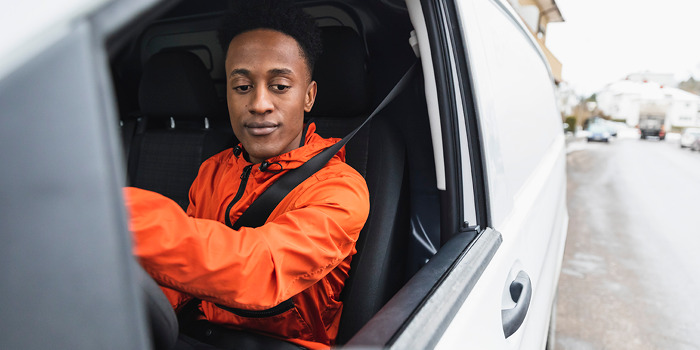
Winter driving requires a little more planning, a little more patience, and a lot more awareness. Snow, ice, and changing road conditions can turn an ordinary trip into a risky one—especially for employees who spend a lot of time behind the wheel.
These 10 winter driving tips are simple, proven ways to help reduce accidents, protect drivers, and keep vehicles on the road. Whether you’re managing a fleet or just commuting through winter weather, a few small adjustments can make a big difference.
1. Use a checklist before you hit the road
A pre-trip checklist helps take the guesswork out of winter travel.
For businesses, checklists are a smart addition to winter driving training. For individual drivers, they ensure nothing important gets overlooked. Include items like:
- Vehicle maintenance and servicing
- Emergency and survival kits
- Winter driving do’s and don’ts
- What to do if you become stranded
Planning ahead helps drivers feel more confident—and helps prevent avoidable incidents.
2. Check the forecast (then check it again)
Winter weather can change quickly. Reviewing the forecast more than once before you leave helps you plan smarter.
It may prompt you to:
- Pack extra emergency supplies
- Leave earlier to avoid the worst conditions
- Rethink travel plans altogether
Knowing what’s ahead can help reduce stress and improve decision-making on the road.
3. Pay attention to local weather updates
Satellite radio is convenient, but it won’t always give you local weather alerts.
If conditions start to worsen:
- Switch to a local AM station
- Pull over safely and check a weather app
- Call 511 for state-specific road and weather updates
Drivers who regularly travel the same routes may benefit from turning on automatic weather alerts.
4. Turn off cruise control in snow, rain, or ice
Cruise control can be risky in slick conditions; avoid it in any rain or snow.
If a vehicle begins to skid, braking to disengage cruise control can make the situation worse. Keeping full control of speed allows drivers to react more safely to changing road conditions.
5. Use headlights—even during the day
Headlights aren’t just for helping drivers see; they help other drivers see you.
Make sure drivers understand:
- Headlights should be on during rain, snow, or low visibility
- Older vehicles may not have automatic headlights
- Some states require headlights whenever windshield wipers are in use
Also stay alert for vehicles operating without headlights—it’s a common and dangerous issue in winter weather.
6. Keep the gas tank at least half full
Running low on fuel is more than an inconvenience in winter—it can be dangerous.
If a driver becomes stranded, having enough gas to stay warm could be lifesaving. Frequent fuel stops also give drivers a chance to:
- Take breaks and stay alert
- Check updated forecasts
- Pick up food, water, or other emergency supplies
7. Give large trucks extra space
Large vehicles need more time and distance to stop, especially on icy or snowy roads.
When passing:
- Avoid cutting in too quickly
- Leave plenty of space before changing lanes
This added buffer helps reduce the risk of collisions in poor weather.
8. Increase your following distance
Stopping distances increase dramatically on wet or icy roads.
Instead of the usual 3–4 seconds, allow 8–10 seconds between your vehicle and the one ahead. That extra time can be the difference between a close call and a crash. When braking and accelerating, do so gently. Avoid sudden movement to prevent skidding.
9. Consider adding an outdoor temperature gauge
If your vehicle doesn’t display outside temperature, a simple add-on gauge can help.
These inexpensive devices can:
- Alert drivers when temperatures drop to freezing
- Provide early warning of potential black ice
It’s a small investment that can deliver big safety benefits.
10. Don’t rush
Winter driving rewards patience.
Slowing down, pulling over, or postponing a trip altogether can be the safest choice. No destination is worth risking a serious injury—or worse.
Small changes = Safer winter driving
Winter driving doesn’t have to be unpredictable. With better planning, smarter habits, and a little extra caution, drivers can reduce risk, protect themselves and others, and arrive safely—no matter what the forecast brings.
Get in touch
Need help? We’re here for you! Whether you have questions or need personalized assistance, your local office is ready to support you.
Loss Control Insights
Stay informed with the latest news and receive actionable safety tips, all carefully curated by our team of experts.